Walk any older beach town and you'll see it: ten-year-old buildings with rust streaks bleeding down the façade, spalling concrete, windows seized with corrosion. The sea is relentless, and most coastal apartments simply weren't built to fight it. A home meant to last by the water is an engineering decision made years before anyone moves in.
Why the sea is so hard on buildings
Coastal air carries chloride — fine salt particles that settle on every surface. Chloride is the enemy of reinforced concrete: it penetrates the concrete cover, reaches the steel reinforcement inside, and triggers corrosion. As steel rusts it expands, cracking the concrete from within (you'll hear engineers call this "spalling"). Combine that with monsoon-driven rain and high humidity, and an ordinary building ages in dog years.
The good news: every one of these failure modes is preventable with the right specification. Here's what actually matters.
1. A denser, stronger concrete mix
The first line of defence is the concrete itself. A higher-grade mix such as M30 RCC is denser and less permeable than the bare-minimum grades, which slows chloride from ever reaching the steel. Adequate concrete cover over the reinforcement — the depth of concrete protecting the bars — is just as important as the grade.
2. Corrosion-protected reinforcement
Because chloride attacks steel, the steel must be defended. Options range from corrosion-resistant/treated reinforcement bars to protective measures at the design stage. The principle is simple: assume salt will arrive, and make sure the structure is ready for it rather than hoping it stays out.
3. Marine-grade windows and openings
Windows are where salt, wind and water meet the building most aggressively. Marine-grade uPVC windows, properly double-sealed, resist corrosion entirely (unlike untreated metal frames), keep monsoon rain out, and don't seize up after a few seasons. On the coast this is not a luxury upgrade — it's basic durability.
4. Detailing that sheds water
Much of a coastal building's lifespan is decided in the small details: drip courses that throw water clear of the wall, quality waterproofing on terraces and bathrooms, sloped surfaces that never pond, and external coatings designed for marine exposure. None of it photographs well — and all of it decides whether the building looks new in year ten.
5. Maintenance the building is designed to allow
Even the best coastal structure needs periodic care. Good design makes that care possible: accessible façades, quality external paint systems, and materials chosen so that upkeep is routine rather than a rescue operation.
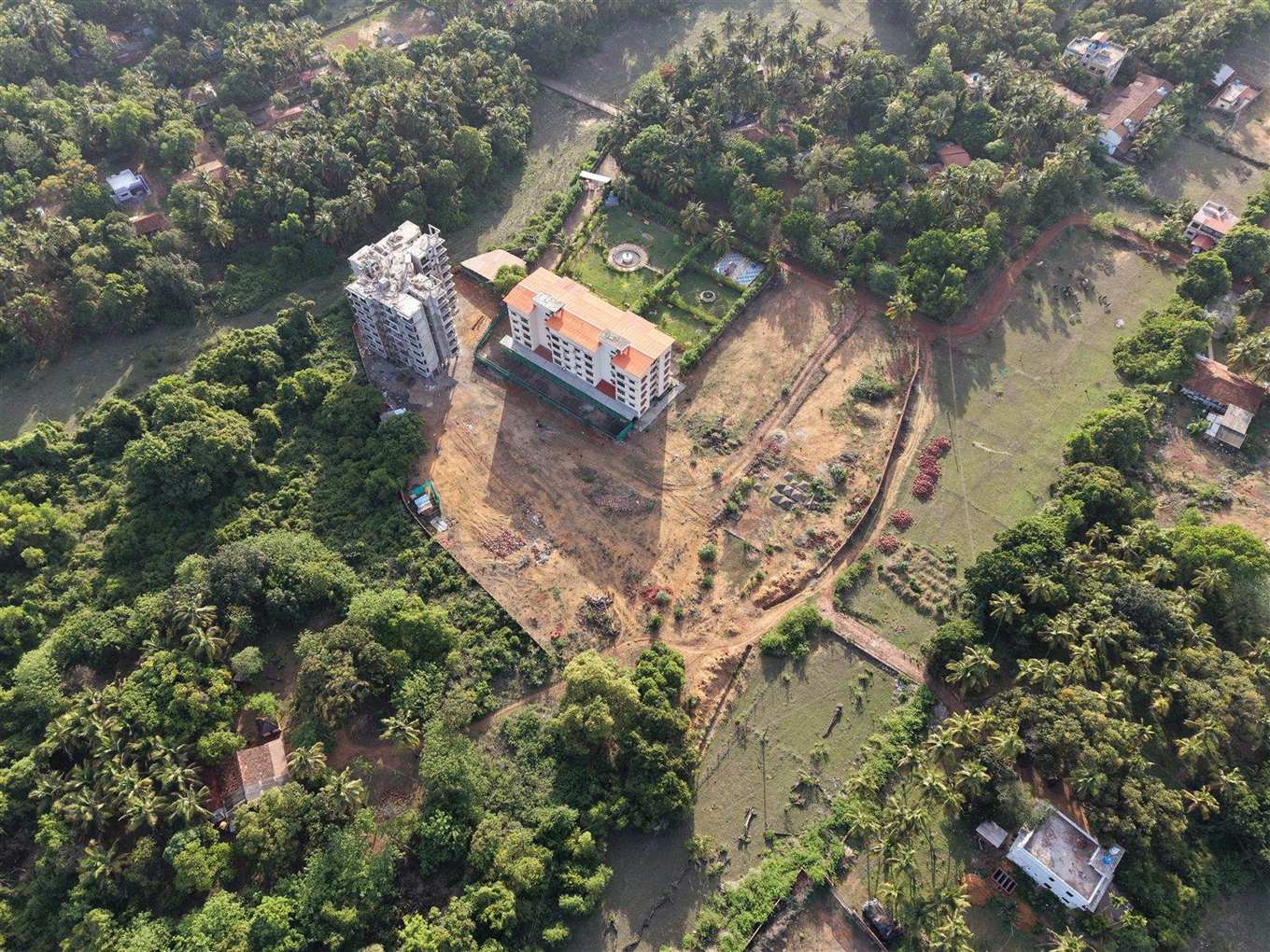
At Horizon Grande, Tarkarli, marine-grade construction isn't an upgrade — it's the specification: M30 RCC, corrosion-protected steel and double-sealed uPVC, all named in your agreement.
The questions to ask any coastal builder
- What grade of concrete is the structure, and what's the cover to the steel?
- How is the reinforcement protected against chloride corrosion?
- Are the windows marine-grade and double-sealed — and is that in writing?
- What's the waterproofing and external-coating system?
- Will these specs appear, by name, in the sale agreement?
If a builder can answer these clearly — and put them in your agreement — you're looking at a home built to last. If they can't, the sea will find out for you.
See how we build by the sea
Walk the Horizon Grande site and see marine-grade construction in progress — with the named site engineer.